
Hard Gel vs Builder Gel: What’s the Right Choice for Your Nails?

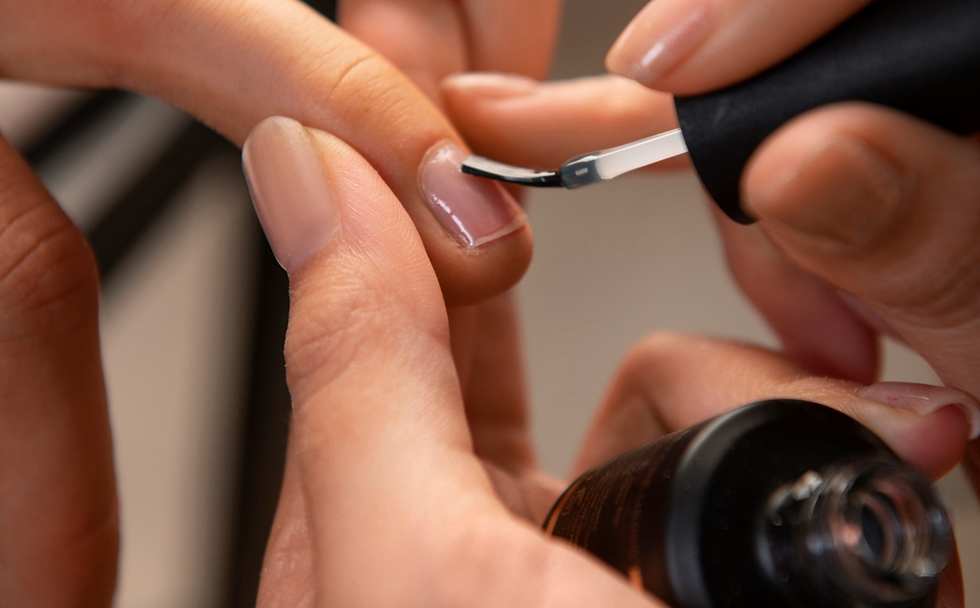
To someone unfamiliar with nail products, builder gel and hard gel might look identical at first glance. Yet the difference between builder gel and hard gel lies in their composition, the way they are applied, and the purposes they serve. In this article, we’ll explore what sets them apart, when each is best used, and, most importantly, which one could be the right choice for your nails.
What Is Hard Gel?
Hard gel is a strong nail enhancement product designed to add length and durability. Once cured under a UV or LED lamp, it hardens into a rigid layer that can be shaped into long extensions or sculpted into bold designs.
Unlike other gels, hard gel cannot be soaked off with acetone; it must be filed down during removal.
Because of its toughness, hard gel is a go-to option for anyone who loves long, dramatic nails or needs extra reinforcement for weaker natural nails. It offers impressive strength and stability but is less flexible than other gels, meaning it won’t bend with the nail, it simply holds its shape firmly in place.

What Is Builder Gel?
Builder gel, often known as BIAB (Builder in a Bottle), is a more flexible gel created to strengthen and protect the natural nail. Applied as an overlay, it adds thickness and resilience, helping prevent chips or breaks while still looking natural. It can also be used for short extensions but is most often chosen for its ability to encourage healthy nail growth.
One of its key benefits is that builder gel is often soak-off, making removal much simpler compared to hard gel. This makes it a practical choice for anyone who prefers natural-looking nails that are easy to maintain. With its balance of strength and flexibility, builder gel is especially suited to those who want their nails to look polished yet still feel lightweight and comfortable.

Is Builder Gel the Same as Hard Gel?
No, builder gel vs hard gel are not exactly the same.
Builder gel can be a softer, more flexible “soft gel” that strengthens the natural nail. Many builder gels are soak-off, making them easier to remove and maintain while still offering added durability.
Hard gel, by contrast, is a rigid, permanent product that must be filed off during removal. It delivers greater strength and is often chosen for creating long extensions or bold designs that require extra durability.
In short, both products build strength, but the difference between builder gel and hard gel comes down to how flexible you want your nails to be and whether you prefer the convenience of soaking off versus the toughness of filing.
Hard Gel vs Builder Gel: Key Differences
When it comes to builder gel vs hard gel, the main takeaway is that hard gel gives you durability and strength for dramatic extensions, while builder gel offers a lighter, more natural feel with easier maintenance.
Feature | Hard gel | Builder gel |
Durability & Strength | Extremely strong and rigid, ideal for long extensions and dramatic shapes. | Strong but more flexible, best for overlays and shorter, natural-looking nails. |
Application & Removal | Applied in layers and cured under UV/LED. Must be filed off for removal. | Applied in layers and cured under UV/LED. Many formulas are soak-off, making removal easier. |
Appearance | Creates bold, sculpted, and structured designs. | Offers a more natural, lightweight finish that enhances the natural nail. |
Flexibility | Rigid - doesn’t bend with the natural nail. | Flexible - moves with the nail, reducing risk of cracks or lifting. |
Maintenance | Requires professional filing for removal; longer service time. | Easier upkeep with soak-off options; quicker removal process. |
Pros and Cons of Each
Builder gel vs hard gel each bring unique benefits and challenges, and understanding these will help you decide what’s best for you
Hard Gel
Pros
Very durable and long-lasting, perfect for long extensions.
Strong structure supports bold designs and detailed nail art.
Resistant to lifting or breaking.
Cons
Cannot be soaked off; removal requires professional filing.
Less flexible, which may feel uncomfortable if you prefer a natural bend.
Typically requires more maintenance time at the salon.

Builder Gel
When looking at the pros and cons of builder gel, it’s clear why this product has become such a favourite.
Pros
Adds strength while maintaining flexibility, making nails less prone to cracking.
Often soak-off, so removal is easier and gentler.
Provides a natural, lightweight look and feel.
Great for encouraging natural nail growth.
Cons
Not as rigid or strong as hard gel, so less suitable for very long extensions.
May need more frequent touch-ups for people with highly active lifestyles.
How to Decide Which Is Right for You
Lifestyle: If you’re highly active or use your hands a lot for work, hard gel may provide the durability you need. If you prefer nails that flex slightly and feel more natural, builder gel is the better choice.
Desired look: For long extensions and bold, structured styles, hard gel is ideal. If your goal is a natural, lightweight finish that strengthens your nails without adding too much bulk, builder gel is perfect.
Maintenance preferences: Hard gel requires professional filing for removal, which can take longer. Builder gel, especially soak-off formulas, offers a simpler removal process with acetone, making it easier to maintain.
Salon vs at-home application: Hard gel is best left to professionals, while builder gel (particularly BIAB nail service) is more beginner-friendly and manageable for at-home nail enthusiasts.
Ultimately, your choice between hard gel and builder gel comes down to whether you want maximum strength and dramatic style or flexibility and convenience.

Frequently Asked Questions
What Is the Difference Between Builder Gel and Solid Gel?
Builder gel is designed to add strength and structure to the natural nail, while solid gel is mostly for colour and design. A builder gel manicure creates a thicker, more protective layer, whereas solid gel is purely decorative.
Should Builder Gel Be Hard?
Yes. Once cured, builder gel becomes firm enough to support the nail but still has flexibility. This makes it comfortable for everyday wear, while a hard gel manicure feels more rigid and structured.
Which Is Better, Builder Gel or Soft Gel?
They each serve different purposes. Soft gel is lighter and used mainly for polish or designs, while builder gel is thicker and strengthens the nail. In the hard gel vs builder gel comparison, builder gel is better for natural strength and flexibility, while hard gel is the stronger choice for long extensions.
Is Builder Gel Hard or Soft Gel?
The answer is a little of both. Technically, builder gel can come in two types: hard and soft. Hard builder gel is strong, rigid, and must be filed off, making it ideal for long extensions and added durability. Soft builder gel, often called soak-off builder gel or BIAB, is more flexible and can be removed with acetone, which makes it easier to maintain.
It really depends on the formula you choose and the kind of nails you want to achieve.
Does Builder Gel Harden Like Acrylic?
Not exactly. Acrylic cures and hardens naturally in the air, while builder gel must be cured under a UV/LED lamp. Once set, it’s strong but more flexible than acrylic or a hard gel.
Does Builder Gel Dry Sticky?
Yes. After curing, builder gel leaves a sticky inhibition layer. This is normal and is wiped away with a cleanser or alcohol before applying the final top coat.
Do You Remove Builder Gel Each Time?
Not always. For overlays, a nail technician may simply file down the surface and refill the regrowth. If you want a fresh start, soak-off builder gels can be removed entirely with acetone. Hard gel, however, always requires filing.
How to Use Hard Builder Gel?
To apply hard builder gel, use thin layers, curing each under a UV/LED lamp. It is typically sculpted to add length and structure, making it ideal for creating durable nail extensions. Since removal requires filing, most people prefer to have it applied and maintained at a salon.
Best Nail Salon for Builder Gel Nails (BIAB) in Indooroopilly
At The Nail Bar Indooroopilly, we focus on what makes your nails look and feel their best. Our team specialises in BIAB nails, GelX, and Acrylic services, giving you the perfect balance of strength, style, and long-lasting wear.
With our dedication to quality and client care, it’s no surprise that many consider us one of the best nail salon near you in Brisbane. If you’re ready to elevate your nail game, book your next appointment with us and experience the difference.


Comments